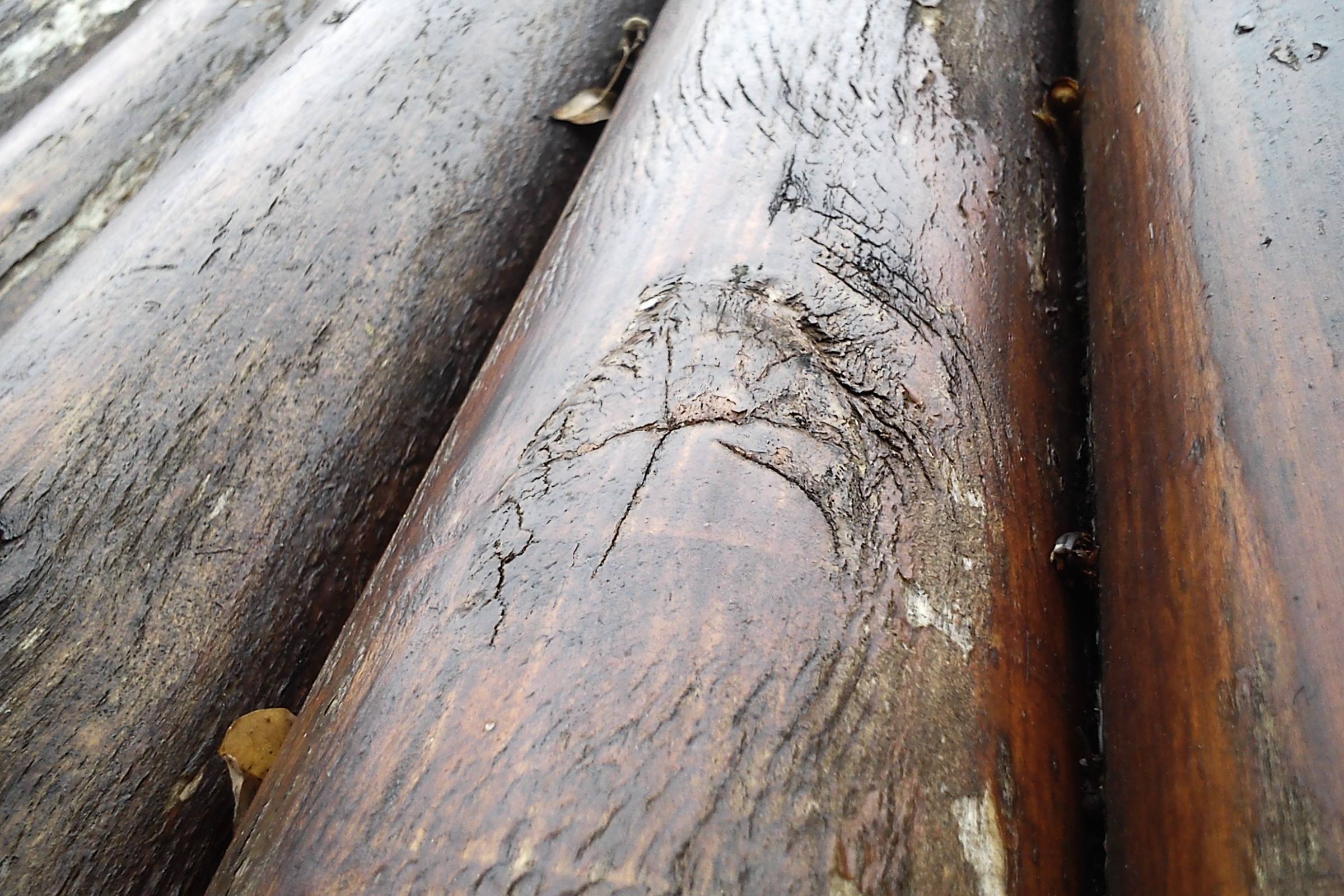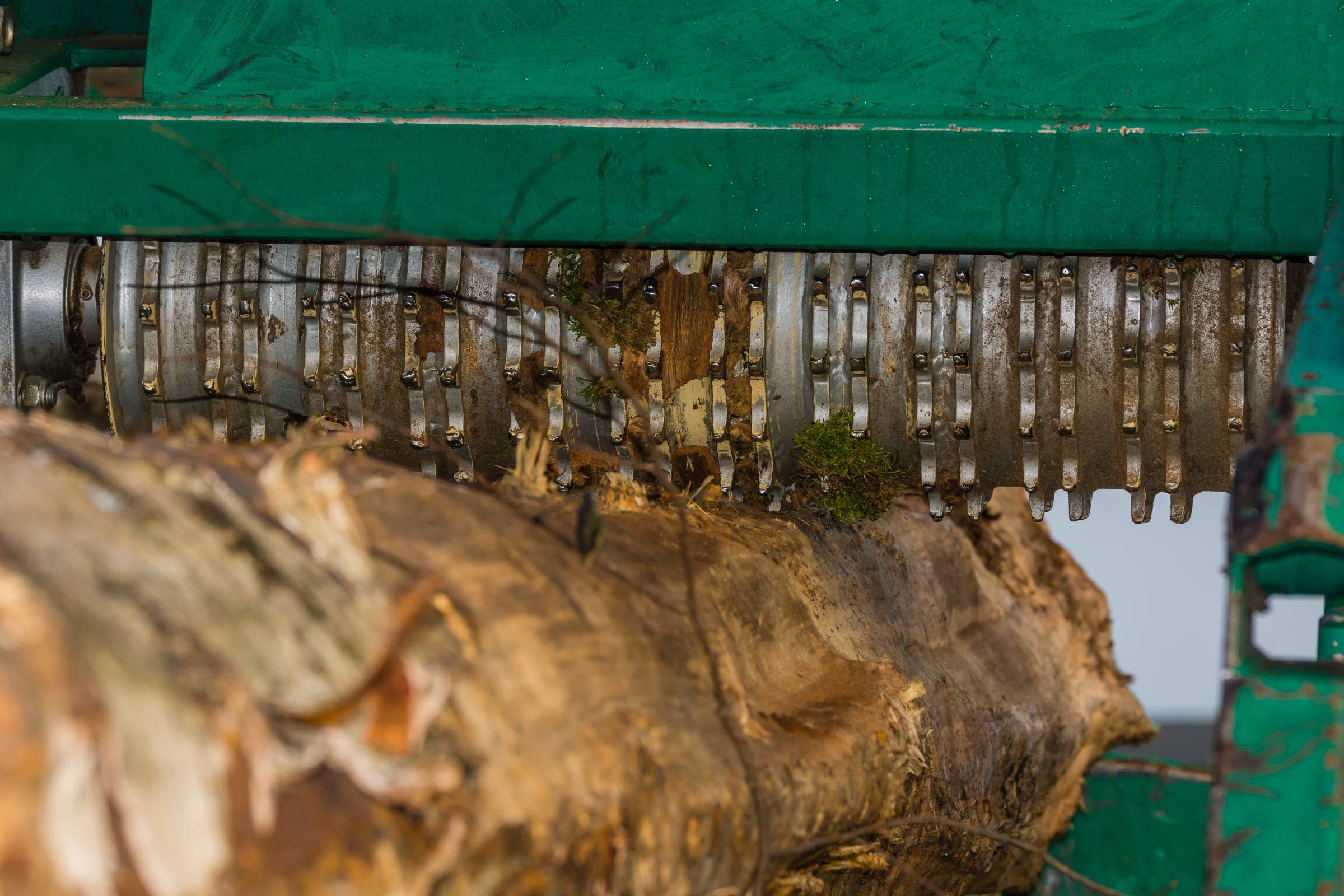
When people shop for lumber, they often compare wood species, dimensions, or price. One factor…
Tongue and Groove Paneling Guide: Uses, Benefits & Choosing the Right Wood
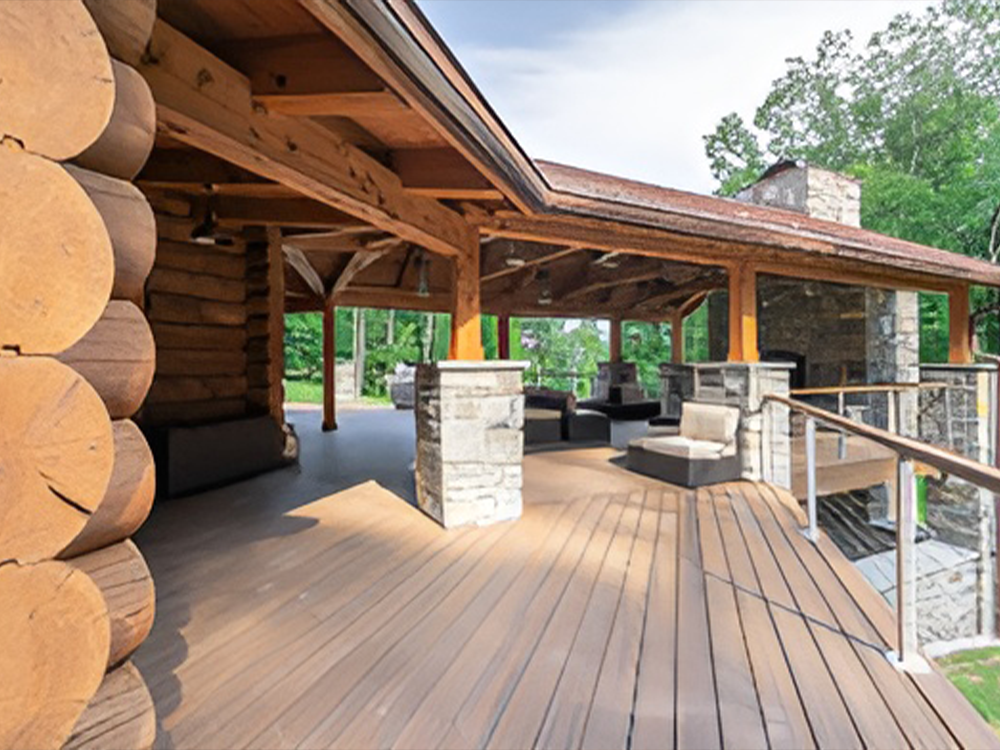
Tongue and groove paneling brings the warmth and character of real wood to walls, ceilings, cabins, porches, and other architectural features. Its interlocking design creates a clean, continuous wood surface while making individual boards easier to align during installation.
But not all tongue and groove lumber is the same. Wood species, board dimensions, milling consistency, moisture, finish, and the intended application can all affect how the finished project looks and performs.
At Estemerwalt Lumber Products, our experience goes beyond supplying wood products. As a lumber manufacturer, we understand how milling and material selection affect the finished product. If you’re considering tongue and groove paneling for an upcoming project, understanding those differences can help you select the right material from the start.
For additional information on Tongue and Groove, as well as other Paneling, see our Full Paneling Page.
What Is Tongue and Groove Paneling?
Tongue and groove paneling consists of wood boards milled with complementary profiles along their edges. One side of the board has a projecting “tongue,” while the opposite edge contains a corresponding “groove.”
During installation, the tongue of one board fits into the groove of the next.
This creates a connected surface with consistent alignment between boards. Unlike square-edge boards installed individually, the tongue and groove profile helps adjacent pieces fit together as a continuous system.
Tongue and groove lumber can be used for both functional and decorative applications, making it popular in everything from rustic cabins to contemporary homes.
Where Is Tongue and Groove Paneling Used?
One reason tongue and groove wood paneling is so versatile is the number of places it can be incorporated into a building.
Common applications include:
- Interior walls
- Ceilings
- Vaulted ceilings
- Great rooms
- Cabin interiors
- Log homes
- Timber homes
- Accent walls
- Covered porches
- Three-season spaces
- Soffits and other architectural details
The right product depends on where it will be installed and the conditions the wood will experience.
Tongue and Groove for Walls
Wood wall paneling can transform an ordinary room by introducing natural grain, texture, and warmth.
Tongue and groove walls are especially popular in:
- Log and timber homes
- Cabins
- Family rooms
- Bedrooms
- Home offices
- Entryways
- Rustic and farmhouse interiors
Depending on the design, boards can be installed horizontally or vertically.
Horizontal installation can emphasize the width of a room, while vertical tongue and groove paneling can draw the eye upward and emphasize ceiling height.
Tongue and Groove for Ceilings
Ceilings are another popular application for tongue and groove lumber.
A tongue and groove wood ceiling can introduce visual interest in a space that would otherwise have a conventional drywall surface. It is particularly effective in rooms with exposed beams, vaulted ceilings, or other natural wood features.
Tongue and groove ceiling paneling is frequently used in:
- Great rooms
- Kitchens
- Covered porches
- Cabins
- Log homes
- Timber frame homes
Pairing wood paneling with exposed timbers can create a cohesive architectural style throughout a home.
You can explore Estemerwalt’s available lumber products for additional materials used in custom residential and timber projects.
Why Use Eastern White Pine for Tongue and Groove Paneling?
Eastern white pine is an excellent choice for many interior wood applications and has long been associated with homes throughout Pennsylvania and the Northeast.
Its characteristics include:
- Attractive natural grain
- Warm, light coloration
- Excellent workability
- Ability to accept a variety of finishes
- Traditional appearance well suited to log and timber homes
- Versatility across numerous architectural styles
Pine tongue and groove can be left relatively natural to showcase the wood itself or finished to complement the surrounding interior.
For projects incorporating multiple wood elements, using complementary materials for paneling, timbers, flooring, and other features can also help create a more cohesive design.
Tongue and Groove vs. Shiplap: What’s the Difference?
Tongue and groove and shiplap are sometimes confused, but the boards connect differently.
Tongue and groove boards use an interlocking tongue on one edge and groove on the other. Shiplap boards typically use overlapping rabbeted edges.
The finished appearance can also differ.
Tongue and groove generally creates a tighter, more continuous wood surface, while shiplap is often selected specifically for the visible lines between individual boards.
Neither is automatically better. The right choice depends on the desired appearance and application.
Why Milling Quality Matters for Tongue and Groove Lumber
Tongue and groove paneling relies on precisely milled profiles.
The tongue and groove must fit together properly from one board to the next. Inconsistent milling can make installation more difficult and affect the appearance of the finished surface.
Quality milling contributes to:
- Consistent board alignment
- Cleaner joints
- Easier installation
- A more uniform finished surface
- Better overall appearance
This is one area where buying from an experienced lumber manufacturer can make a meaningful difference.
Estemerwalt’s experience with lumber manufacturing provides firsthand knowledge of the process that turns raw timber into finished wood products. Learn more about how lumber is milled from log to finished wood products.
Moisture and Wood Movement Matter, Too
Wood is a natural material, which means it responds to its environment.
Changes in moisture and humidity can cause wood to expand or contract. This natural wood movement should be considered when selecting, storing, and installing tongue and groove paneling.
Factors that can influence movement include:
- Moisture content of the lumber
- Indoor humidity
- Seasonal climate changes
- Storage before installation
- Installation environment
Pennsylvania and the Northeast experience substantial seasonal changes, making proper material preparation particularly important.
Our guide to why moisture content matters when buying lumber explains this relationship in greater detail.
Should Tongue and Groove Lumber Acclimate Before Installation?
Wood products may need time to adjust to the conditions where they will ultimately be installed.
This process is commonly called acclimation.
The appropriate approach depends on the product, its moisture content, and the environment. Because project conditions vary, builders should consider both the lumber manufacturer’s recommendations and the conditions at the job site before installation.
Proper storage is also important. Wood should be protected from unnecessary moisture and conditions that could negatively affect it before installation.
Choosing Tongue and Groove Paneling for Your Project
Before ordering tongue and groove wood paneling, consider several important factors.
Application
Start by identifying exactly where the paneling will be installed.
An interior bedroom wall and a covered exterior ceiling experience very different environmental conditions.
Wood Species
Species affects appearance, workability, durability, and how the material accepts finishes.
Board Profile and Dimensions
Board width, thickness, profile, and other dimensions influence both installation and the final appearance.
Desired Appearance
Consider whether you want a natural, rustic, traditional, or more refined finished surface.
Finish
Decide whether the wood will remain natural or receive stain, paint, clear finish, or another treatment.
Quantity
Calculate the total surface area carefully and account for cuts and reasonable material waste. Complex spaces with corners, windows, doors, or unusual angles may require additional material.
How Much Tongue and Groove Paneling Do I Need?
Start by calculating the square footage of the surface you plan to cover.
For a wall, multiply its width by its height. For a ceiling, multiply the room’s length by its width. Calculate individual areas separately when working around unusual room configurations.
The exact amount of additional material needed will vary by project, but it is generally wise to account for cuts, waste, and board selection rather than ordering the exact surface area alone.
Before placing a large order, discuss your project dimensions and product requirements with your lumber supplier.
Tongue and Groove Paneling for Log and Timber Homes
Tongue and groove paneling is particularly well suited to log and timber construction because it complements other natural wood elements.
It can be combined with:
- Exposed timbers
- Posts and beams
- Wood flooring
- Natural trim
- Log walls
- Wood staircases
- Rustic architectural details
If you’re sourcing multiple materials for a log or timber project, explore our log home building supplies to learn more about available wood products.
Buy Tongue and Groove Lumber From an Experienced Manufacturer
The finished appearance of tongue and groove paneling depends heavily on the material you start with.
Quality wood, consistent milling, appropriate moisture levels, and the correct profile all contribute to a better finished project.
Estemerwalt Lumber Products brings generations of wood manufacturing experience to the lumber products we provide. From tongue and groove paneling to timbers, posts, flooring, decking, and specialty wood products, we work with homeowners, builders, and contractors looking for quality materials for projects throughout Pennsylvania and the Northeast.
Learn more about the history and experience behind our products on our About Estemerwalt Lumber Products page.
Talk to Us About Tongue and Groove Paneling for Your Project
Planning a wall, ceiling, log home, cabin, or other project using tongue and groove wood paneling? Our team can help you discuss product options and determine what makes sense for your application.
Contact Estemerwalt Lumber Products to tell us about your project and learn more about our available lumber products.
Frequently Asked Questions
What is tongue and groove paneling used for?
Tongue and groove paneling is commonly used for interior walls, ceilings, accent walls, cabins, log homes, timber homes, covered porches, and other architectural applications. Its interlocking profile creates a continuous wood surface and makes it suitable for both decorative and functional projects.
What is the best wood for tongue and groove paneling?
The best species depends on the project, but eastern white pine is a popular option for tongue and groove walls and ceilings because of its attractive grain, workability, natural appearance, and versatility. The installation environment and desired finish should also influence wood selection.
Is tongue and groove paneling good for ceilings?
Yes. Tongue and groove wood is frequently used on flat and vaulted ceilings, particularly in cabins, log homes, great rooms, and spaces with exposed beams. Wood ceilings can add natural texture and architectural character that differs significantly from conventional drywall.
Can tongue and groove paneling be used outside?
Certain tongue and groove products can be appropriate for covered exterior applications, but the wood species, product specifications, moisture exposure, finish, and installation details all matter. Discuss the specific exterior application with your lumber supplier or builder before choosing a product.
What is the difference between tongue and groove and regular wood paneling?
Tongue and groove boards are specifically milled so the tongue on one board fits into the groove of the adjacent board. This interlocking profile helps align the boards and creates a continuous surface. Other types of wood paneling may use square edges, overlapping profiles, or different connection methods.
Related Posts