Tongue and groove paneling brings the warmth and character of real wood to walls, ceilings,…
How Lumber Is Milled: From Log to Finished Wood Products
Understanding the Lumber Milling Process
Every piece of lumber has a story long before it becomes part of a home, deck, timber frame, or woodworking project. From the moment a log arrives at the mill to the final finished product, each step in the milling process affects the strength, appearance, and performance of the wood.
At Estemerwalt Lumber Products, we don’t simply sell lumber. We manufacture many of the products we offer, giving us firsthand knowledge of how quality lumber is produced and why proper milling matters. That experience allows us to provide homeowners, contractors, builders, and log home enthusiasts with dependable wood products designed to perform for generations.
If you’re building a custom home or selecting materials for your next project, understanding how lumber is milled can help you make more informed decisions.
What Is Lumber Milling?
Lumber milling is the process of transforming raw logs into usable wood products. Every stage, from selecting logs to the final surface finish, influences the quality of the finished lumber.
The milling process generally includes:
- Log selection
- Debarking
- Primary sawing
- Drying
- Surfacing
- Grading
- Final preparation
Each step helps produce lumber products that are consistent, durable, and ready for a variety of construction and woodworking applications.
Step 1: Selecting Quality Logs
Every quality lumber product begins with quality timber.
Logs are evaluated based on factors such as:
- Diameter
- Straightness
- Overall condition
- Grain characteristics
- Visible defects
- Intended end use
Selecting the right logs helps maximize yield while producing stronger, more attractive lumber products.
Because every log is unique, experienced manufacturers understand how to get the most value from each piece of timber.
Step 2: Debarking the Log
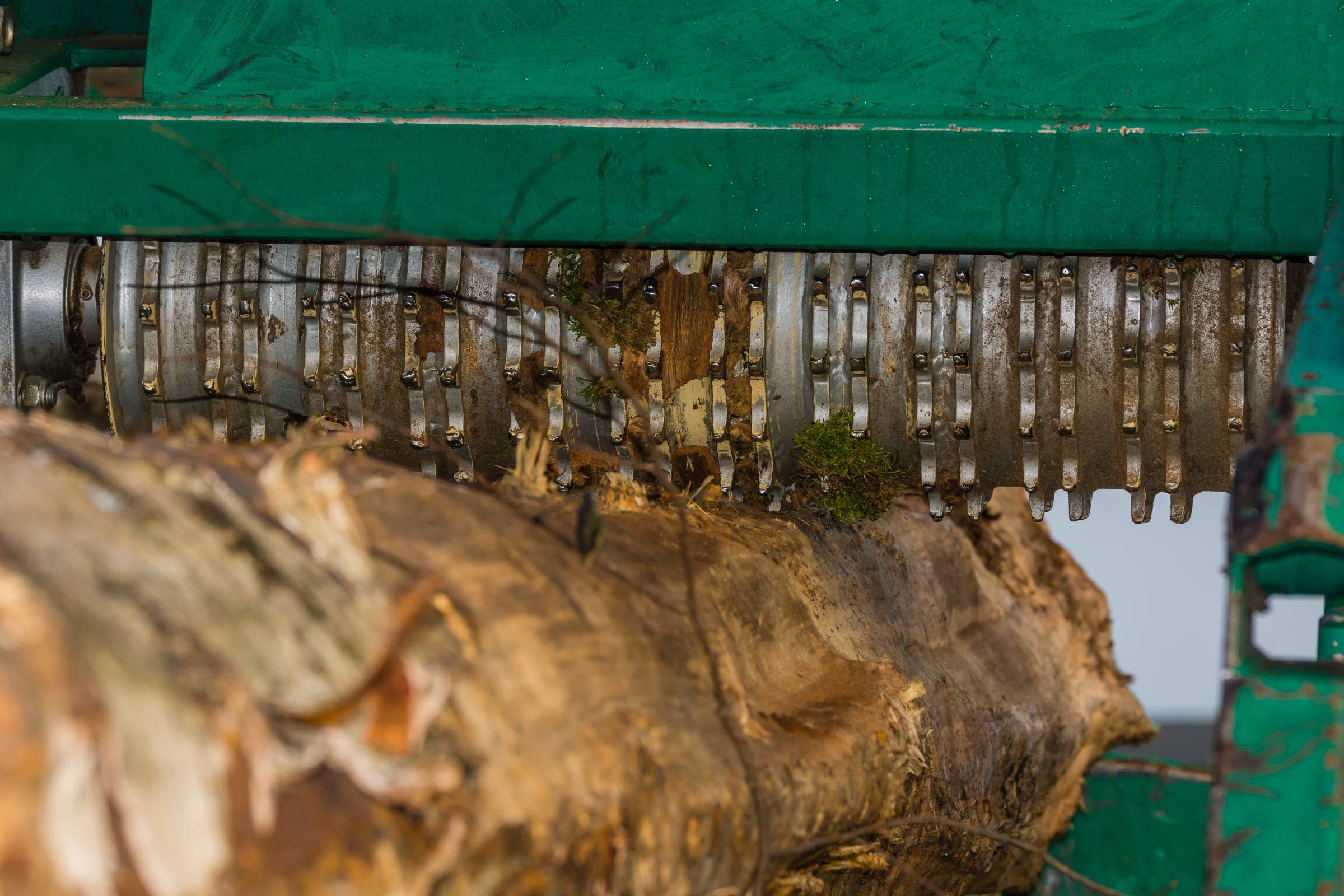
Before milling begins, the bark is removed from the log.
Debarking serves several purposes:
- Protects milling equipment
- Removes dirt and debris
- Improves cutting accuracy
- Creates a cleaner finished product
For certain products, such as round timbers, a debarked finish may also be the final appearance customers are looking for.
Step 3: Sawing the Log
Once prepared, the log is cut into the desired dimensions.
Depending on the intended application, lumber may be milled into:
- Boards
- Timbers
- Posts
- Beams
- Specialty lumber
- Custom dimensions
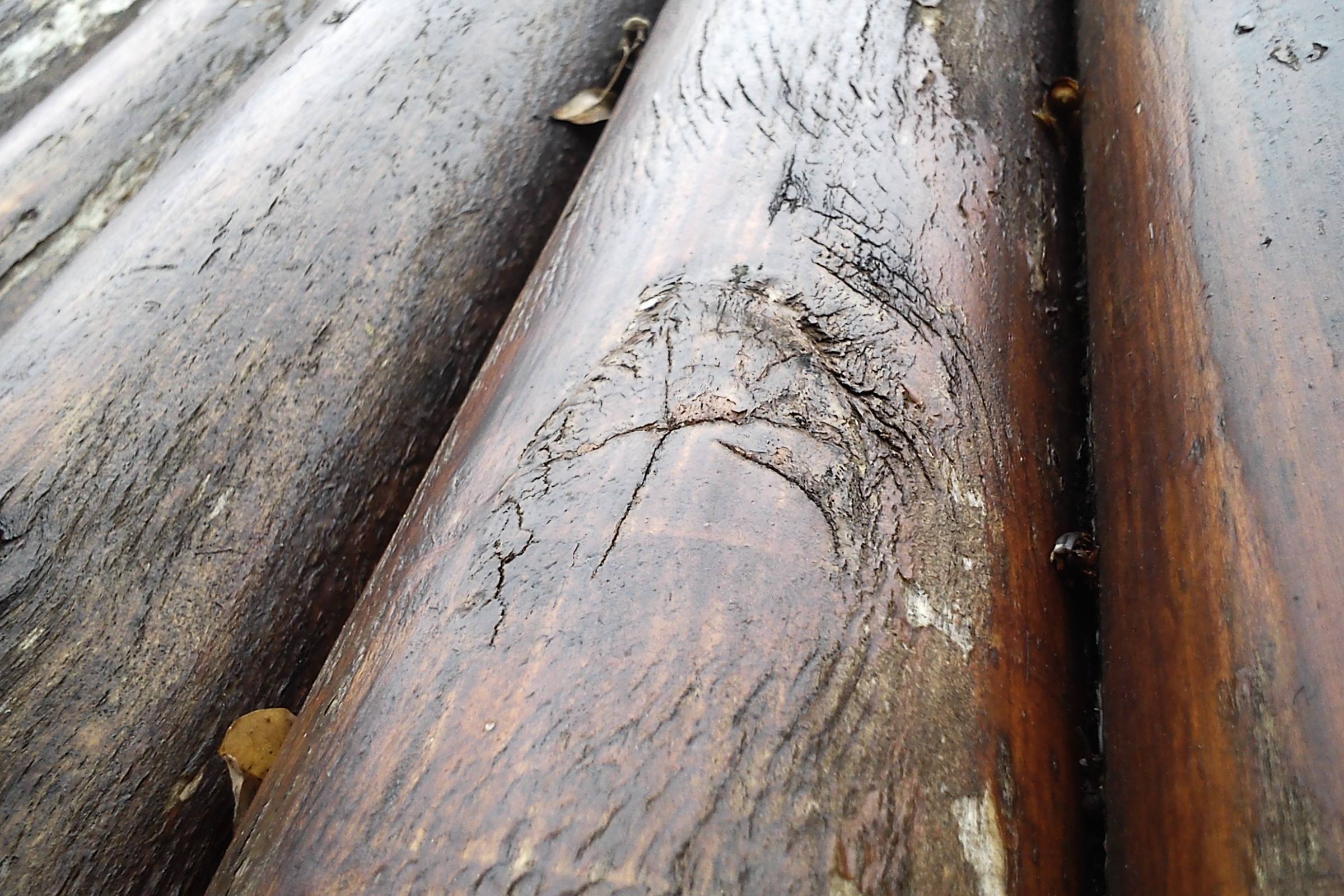
Some products remain round, while others are milled into square profiles for structural or decorative applications.
Customers interested in these products can explore our selection of lumber products.
Rough Sawn vs. Planed Lumber
One of the biggest decisions during milling is determining the final surface finish.
Rough Sawn Lumber
Rough sawn lumber comes directly from the sawmill with its natural saw marks intact.
Benefits include:
- Rustic appearance
- Traditional character
- Excellent for exposed beams
- Popular for barns and log homes
Planed Lumber
Planed lumber is run through specialized equipment to create a smooth, uniform surface.
Planed products are often preferred for:
- Interior finish work
- Flooring
- Trim
- Furniture
- Projects requiring precise dimensions
Choosing between rough sawn and planed lumber depends on both appearance and project requirements.
Step 4: Drying the Lumber
Freshly milled lumber contains a significant amount of moisture.
If lumber is used before it reaches an appropriate moisture level, problems can occur later, including:
- Warping
- Twisting
- Shrinkage
- Surface checking
- Joint movement
Proper drying helps improve:
- Stability
- Strength
- Dimensional consistency
- Long-term performance
This is one of the most important steps in producing quality lumber products.
Step 5: Grading Lumber
After milling and drying, lumber is evaluated based on quality.
Grading considers factors such as:
- Knots
- Grain
- Straightness
- Structural integrity
- Surface appearance
Different grades are suited for different applications.
For example:
- Structural framing
- Finish carpentry
- Decorative beams
- Flooring
- Furniture
Selecting the appropriate grade helps ensure each product performs as expected.
Step 6: Custom Milling
Not every project uses standard lumber dimensions.
Custom milling allows manufacturers to produce wood products that meet specific project requirements.
Custom options may include:
- Specialty dimensions
- Custom timbers
- Large beams
- Architectural components
- Decorative wood products
This flexibility allows homeowners and builders to achieve designs that standard dimensional lumber cannot provide.
Why Manufacturing Matters
Many lumber retailers purchase finished products from outside suppliers.
At Estemerwalt Lumber Products, manufacturing many of our own products allows us to maintain greater oversight throughout the production process.
Benefits include:
- Consistent quality
- Greater product knowledge
- Custom milling capabilities
- Better material selection
- Personalized customer support
That experience allows us to help customers choose products based not only on dimensions, but also on how they’ll perform in real-world applications.
Learn more about our history and craftsmanship by visiting our About page.
Choosing the Right Lumber for Your Project
Every project has unique requirements.
Before selecting lumber, consider:
- Structural needs
- Interior or exterior use
- Desired appearance
- Moisture exposure
- Maintenance expectations
- Finish requirements
If your project includes flooring, decking, or other specialty wood applications, explore our flooring and decking products to learn more.
Quality Begins at the Mill
The quality of finished lumber depends on every step that comes before it. Careful log selection, precise milling, proper drying, and attention to detail all contribute to wood products that perform beautifully for years to come.
Understanding the milling process helps builders, contractors, and homeowners appreciate the craftsmanship behind every board, beam, and timber.
Contact Estemerwalt Lumber Products
If you’re looking for premium lumber products manufactured with quality and craftsmanship in mind, the team at Estemerwalt Lumber Products is here to help. If you need structural lumber, custom timbers, flooring materials, or specialty wood products, we’ll help you find the right materials for your project.
Visit our Contact Us page to speak with our team or request more information.
Frequently Asked Questions
How is lumber milled from a log?
Lumber is milled by selecting quality logs, removing the bark, sawing the logs into usable dimensions, drying the wood, grading it, and preparing it for its intended use.
What is the difference between rough sawn and planed lumber?
Rough sawn lumber retains its natural saw marks and rustic appearance, while planed lumber is smoothed to create a more uniform finish and precise dimensions.
Why does lumber need to be dried?
Drying reduces moisture content, helping prevent warping, twisting, shrinking, and other issues that can occur after installation.
What types of products are made during the milling process?
The milling process can produce boards, beams, timbers, posts, specialty lumber, flooring materials, and custom wood products for residential and commercial projects.
Why buy lumber from a manufacturer instead of a retailer?
Manufacturers often have greater knowledge of the production process, better quality control, and the ability to offer custom milling solutions and product recommendations based on your project’s needs.
Related Posts